


Dental decay
It can occur in people of all ages, but can be prevented by following some simple tips.

Dental decay is caused by acids produced from bacteria in the dental plaque when we consume foods and beverages that contain sugars.
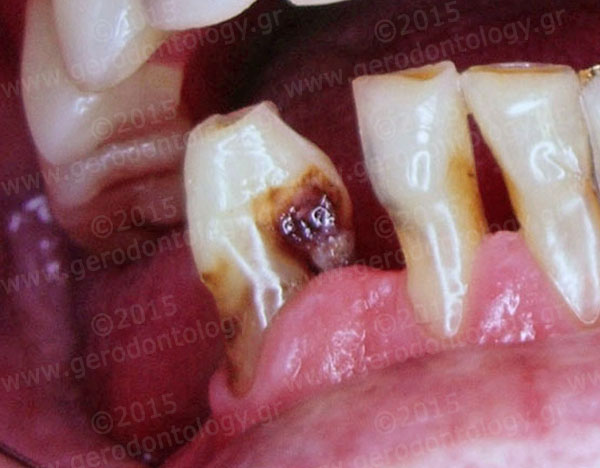
Dental decay is common in old age, particularly when oral hygiene is poor.
Predisposing factors include a diet rich in sugars, reduced manual dexterity (e.g. in patients suffering from Parkinson’s disease or rheumatoid arthritis), xerostomia induced by medications or diseases, poor mental capacity etc.
Dental decay often occurs:
Predisposing factors include a diet rich in sugars, reduced manual dexterity (e.g. in patients suffering from Parkinson’s disease or rheumatoid arthritis), xerostomia induced by medications or diseases, poor mental capacity etc.
Dental decay often occurs:
- On the roots of the teeth
- Around old fillings
- On teeth retaining the clasps of partial dentures, when the teeth and the dentures are not adequately cleaned and maintained
- Under old crowns
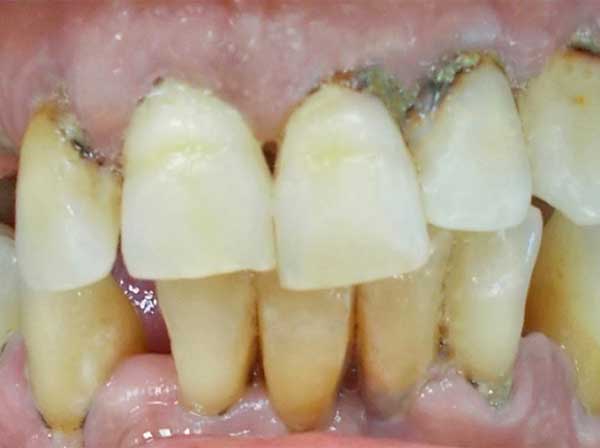
Root decay usually occurs after the age of 50, when the gums recede and expose the root surfaces of the teeth (the cementum) to the oral environment. Periodontal disease is a major contributor.
Root decay progresses more rapidly than enamel decay and may destroy the tooth, if left untreated.
Root decay progresses more rapidly than enamel decay and may destroy the tooth, if left untreated.

Brush your teeth at least twice a day with fluoride toothpaste.
The dentist will advise on the prevention programme most suitable for your individual needs
(ie. fluoride solution for home use or professional fluoride application).
The dentist will advise on the prevention programme most suitable for your individual needs
(ie. fluoride solution for home use or professional fluoride application).

Clean the interdental spaces once a day with dental floss and / or interdental brushes.
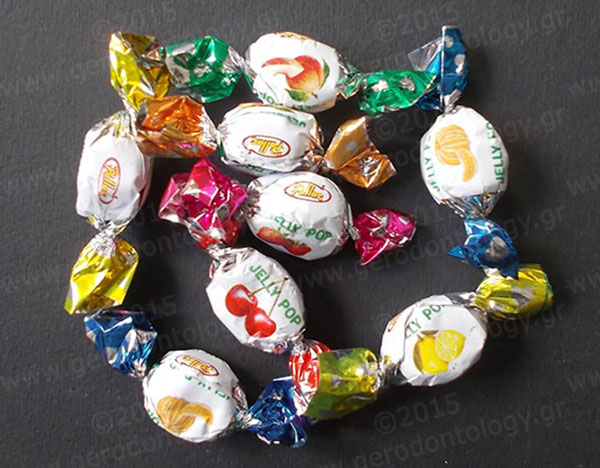
Avoid sugar-containing foods and beverages, particularly between meals.
If you consume such products between meals, rinse your mouth with plenty of water.
Include in your diet vegetables and dairy products.
If you consume such products between meals, rinse your mouth with plenty of water.
Include in your diet vegetables and dairy products.
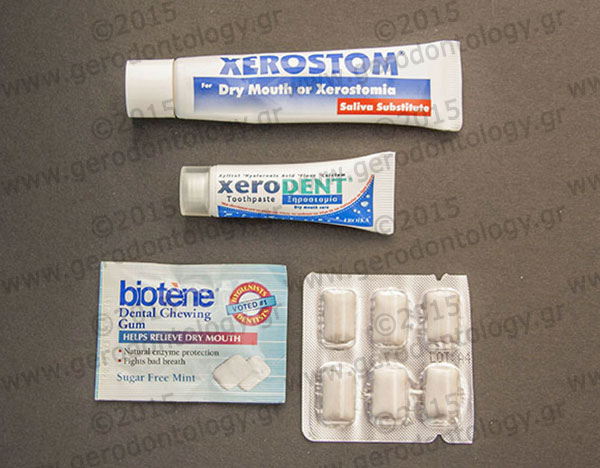
If you feel your mouth dry, chew sugarless gum with xylitol 2-3 times per day for 5 minutes or consume xylitol-based candies.
You may also use saliva substitutes.
You may also use saliva substitutes.

Drink water frequently, even if you are not thirsty.

Make regular visits to your dentist, to detect and manage decay in early stages.